Lesson 4: Paradigmatic Analysis
Binary Oppositions (1)
|
Class assignment 1 (group work, done orally):
Read the lines below and fill in the table with binary oppositions based on their content.
JULIET:
Wilt thou be gone? It is not yet near day;
It was the nightingale, and not the lark,
That pierc'd the fearful hollow of thine ear;
Nightly she sings on yond pomegranate tree.
Believe me, love, it was the nightingale.
ROMEO:
It was the lark, the herald of the morn,
No nightingale. Look, love, what envious streaks
Do lace the severing clouds in yonder east;
Night's candles are burnt out, and jocund day
Stands tiptoe on the misty mountain tops.
I must be gone and live or stay and die.
(Romeo and Juliet III, v)
| Female
| Juliet
| question
| stays
| night
| garden
| nightingale
| death
| sleeping
| hollow
|
| Male
| Romeo
|
|
|
|
|
|
|
|
|
Class assignment 2 (group work, done orally):
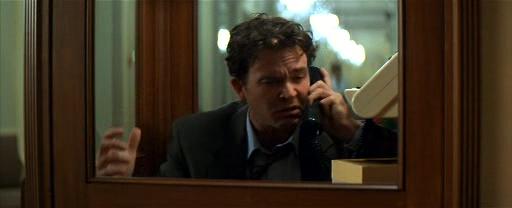
Analize 5 sets of two pictures below and specify the binary oppositions for each set.
- picture 1 and picture 2
- picture 1 and picture 2
- picture 1 and picture 2
- picture 1 and picture 2
- picture 1 and picture 2
|
Resources for Lesson 4:
Chandler, Daniel. Semiotics for Beginners.
Silverman, Kaja (1983): The Subject of Semiotics. New York: Oxford University Press
Lodge, David ([1977] 1996): The Modes of Modern Writing: Metaphor, Metonymy and the Typology of Modern Literature. London: Arnold
Spiggle, Susan (1998): 'Creating the Frame and the Narrative: From Text to Hypertext'. In Stern op. cit., pp. 156-190.
Cook, Guy (1992): The Discourse of Advertising. London: Routledge
|
Пермский государственный университет
|